
Vermont
AFTD can connect you with reliable information, valuable resources, essential support, and opportunities to make a difference.

Contact AFTD’s HelpLine
AFTD's Helpline can provide guidance on resources and opportunities to connect in your state. We can also answer questions you may have regarding FTD diagnosis, care and support.
Contact our HelpLine by Phone: 1-866-507-7222 | Contact our HelpLine by Email: info@theaftd.org.


Support Groups (local, regional, or national) meet once a month and are led by AFTD-trained volunteers or organizations that understand FTD to foster supportive group discussions regarding approaches to care, changing relationships, safety, local resources, grief, self-care, etc.
FTD Diagnostic Centers can help with diagnosis, guidance, and connections to research opportunities.
Get Involved
Become an AFTD volunteer to connect with our community and make the journey better for the next family. AFTD offers a variety of opportunities for volunteers to raise awareness of FTD, raise critical funds and educate local communities. Opportunities include community awareness activities, facilitating support groups, or hosting a local fundraising event.
Sign up here to volunteer or learn more by contacting your AFTD Volunteer Engagement Coordinator at hgruen@theaftd.org
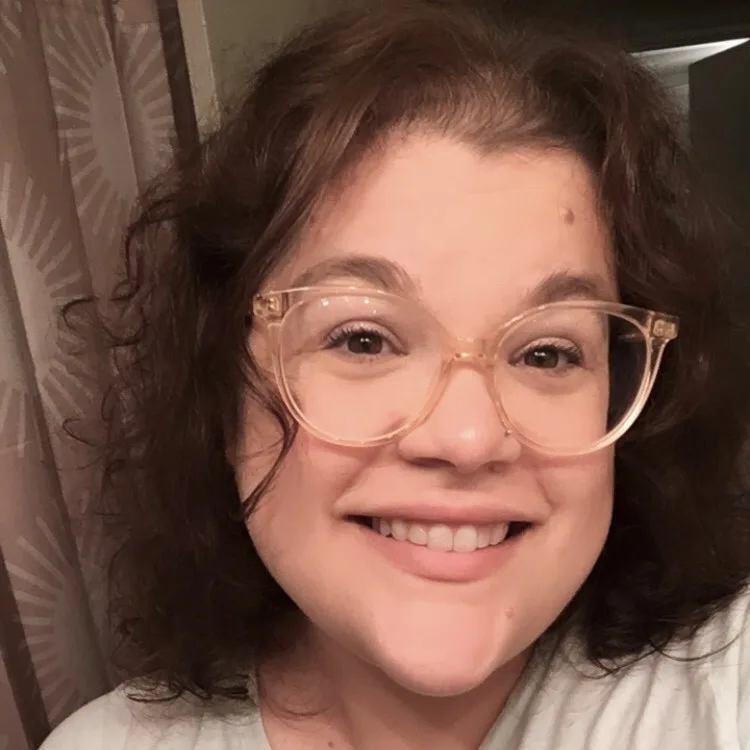
Hannah Gruen
Volunteer Engagement Coordinator
hgruen@theaftd.org
You can also contact a volunteer local to you to find out more: AFTD Ambassadors are volunteer leaders who represent AFTD in communities and states across the United States. They raise awareness of FTD through networking, outreach, speaking engagements and attending events on behalf of AFTD.
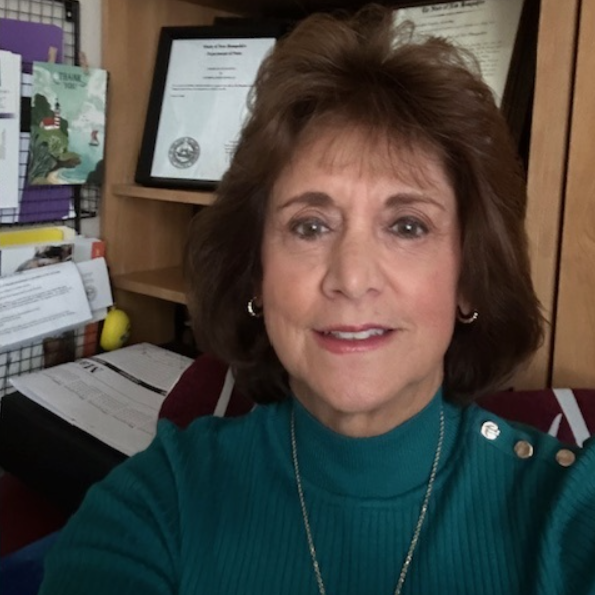
Shirley Gordon
sgordon@theaftd.org
(Click here to learn more about Shirley Gordon’s connection with FTD)
Sign Up To Receive AFTD Alerts
News & Events Near You
Prevail Therapeutics Discontinues PR006 Trial
On February 4, Prevail Therapeutics, a wholly owned subsidiary of Eli Lilly & Co., announced the discontinuation…
FTD Call To Action Featured In Canadian Media
In an opinion piece published recently in the Edmonton (Alberta, CA) Journal, Naomi Mison called for reform of the…
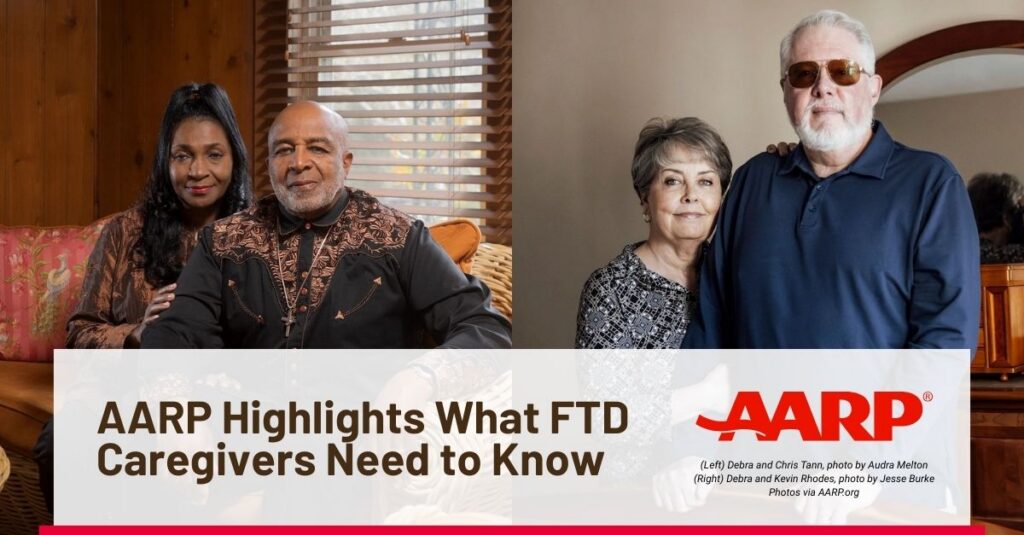
AARP Highlights What FTD Caregivers Need to Know
It’s subtle changes in speech and behavior, not memory loss, that is often the first sign of…
AFTD Grantee Contributes to Study on Impact of Neuropsychiatric Symptoms in PSP
A study published in the European Journal of Neurology analyzes the impact of neuropsychiatric symptoms like depression…
AFTD’s Esther Kane and Volunteer Liz Zadnik Interviewed on Podcast
In a recent episode of Honestly Aging by Friends Life Care VigR®, AFTD Support & Education Director…

The Lived FTD Experience: FTD in the Arts
Science tells us that neurodegenerative disease can sometimes reveal unexplored creative talents, and that creating art can…

Brain Donation is Final Gift of 24-Year-Old Diagnosed with FTD
Brain donation can be a selfless act born of tragedy. The story of Andre Yarham has captured the attention of media outlets…
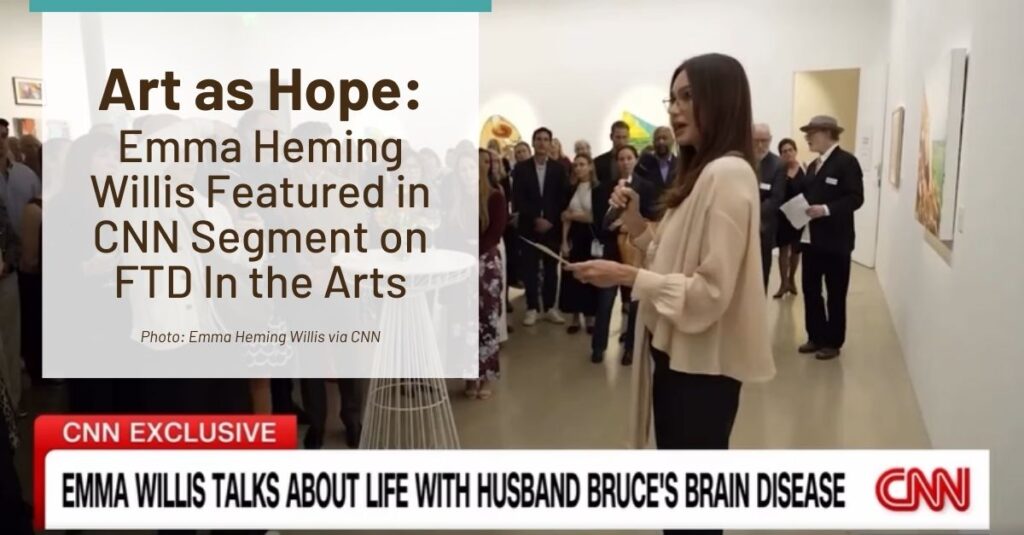
Art as Hope: Emma Heming Willis Featured in CNN’s The Story Is with Elex Michaelson on FTD In the Arts
Art can reveal the “whole person” that lies beneath their infirmity or grief, said Emma Heming Willis,…
Understanding the Path to an FTD Diagnosis
The FTD diagnostic journey currently averages 3.6 years. Being Patient recently highlighted the complexities surrounding FTD diagnosis,…
Tips & Advice: Genetic Testing and FTD
A common question people may ask when a loved one is diagnosed with FTD, especially if there…


