

Research
Since awarding our first grant in 2005, AFTD has advanced FTD science by funding early-career researchers, clinicians developing diagnostic tools, and teams evaluating leading-edge genetic therapies. Beyond funding, AFTD unites global experts and people with lived experience to drive discoveries and ensure that the development of treatments reflects the needs and perspectives of our community.
The FTD Research Roundtable is a membership consortium where companies developing treatments for FTD discuss shared challenges alongside regulators, advocates, and scientific leaders. At its second annual meeting in August 2024, more than 100 participants discussed promising FTD biomarkers to improve how clinical trials can test the effectiveness of potential therapies to slow disease progression.
Also in August 2024, we convened an industry advisory panel where people affected by FTD shared experiences with diagnosis, genetic counseling, and predictive testing. Five biopharma companies participated to help advance better diagnosis and treatment options.
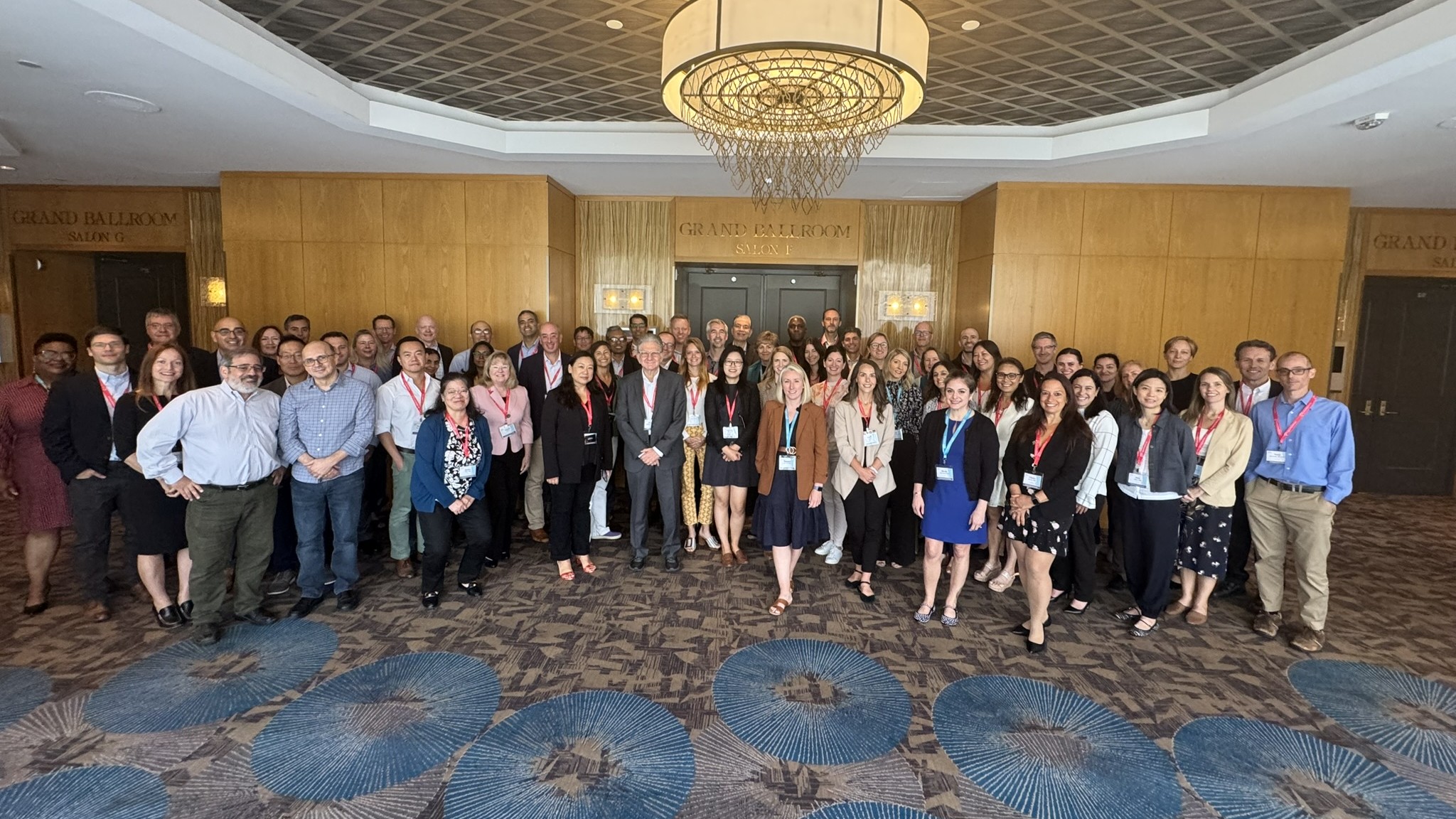
Co-chaired by Howard Feldman, MD, and Serena Hung, MD, the 2024 Roundtable convened leaders from government agencies, biopharmaceutical companies, nonprofits, and research institutions.

AFTD staff and Board members attended multiple conferences, meetings, and listening sessions to strengthen relationships with researchers, clinicians, peer organizations, and regulatory agencies. These gatherings offer opportunities to prioritize FTD research, foster collaboration, and underscore the pressing needs of those affected. Highlights include the 14th International Conference of Frontotemporal Dementias and the American Academy of Neurology’s annual meeting.

To keep our community informed about FTD research and opportunities to participate, we launched two bi-monthly e-newsletters: FTD Science Digest for a general audience and FTD Research Spotlight for professionals.
Holloway Family Fund
Thanks to the Holloway Family Fund, AFTD has expanded support for early-career scientists, launched the annual Holloway Summit to convene global scientific leaders, and addressed emergent scientific priorities. Founded by Board member Kristin Holloway and the Holloway family in honor of her husband, Lee, since 2021, they have contributed more than $6 million for FTD research efforts and secured an additional $2.9 million from several funding partners.

Kristin Holloway at the 2025 Holloway Summit
The FTD Disorders Registry
The FTD Disorders Registry is a research tool and longitudinal study connecting people impacted by FTD to research opportunities. Participants share information about their diagnoses, daily-life impact, and treatment priorities, while researchers access de-identified data and benefit from the Registry’s support of clinical trial recruitment. Learn more and join today at ftdregistry.org.
The FTD Disorders Registry By the Numbers

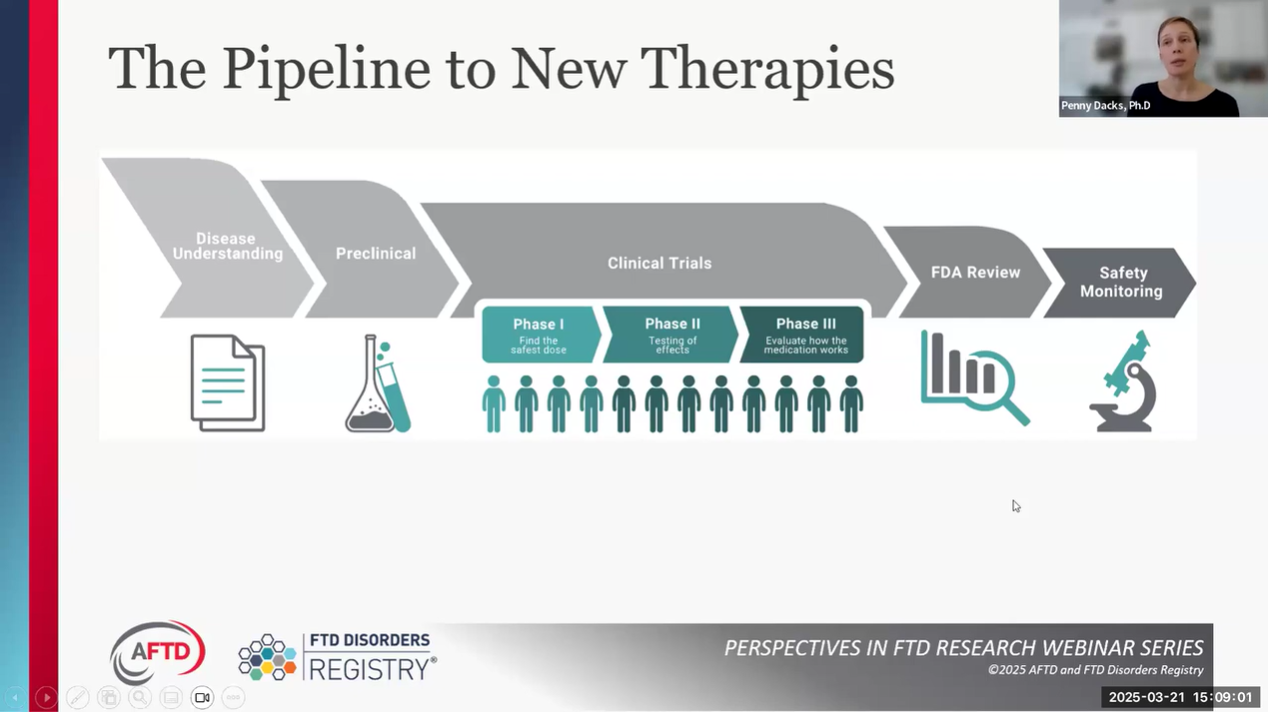
AFTD also hosts webinars throughout the year to share research updates. In December 2024, FTD Research 2024 – Where We’ve Come From and Where We’re Headed highlighted advancements in studies and clinical trials. In March 2025, AFTD and You: Partners in Drug Development explained the drug development process and ways people can engage.
Supporting Early-Career Researchers and Biomarker Discovery
For 20 years, AFTD has funded research through several programs, including:
Pilot Grants
In 2005, AFTD awarded $35,000 for our first Pilot Grant. To date, our Pilot Grant program has supported early-career researchers and clinicians with $2.8 million, advancing basic, clinical, and translational research in FTD and non-Alzheimer’s dementias.
2025 Pilot Grant Recipients

Indira García-Cordero, PhD
University of San Andrés

Cyril Pottier, PhD
Washington University in St. Louis
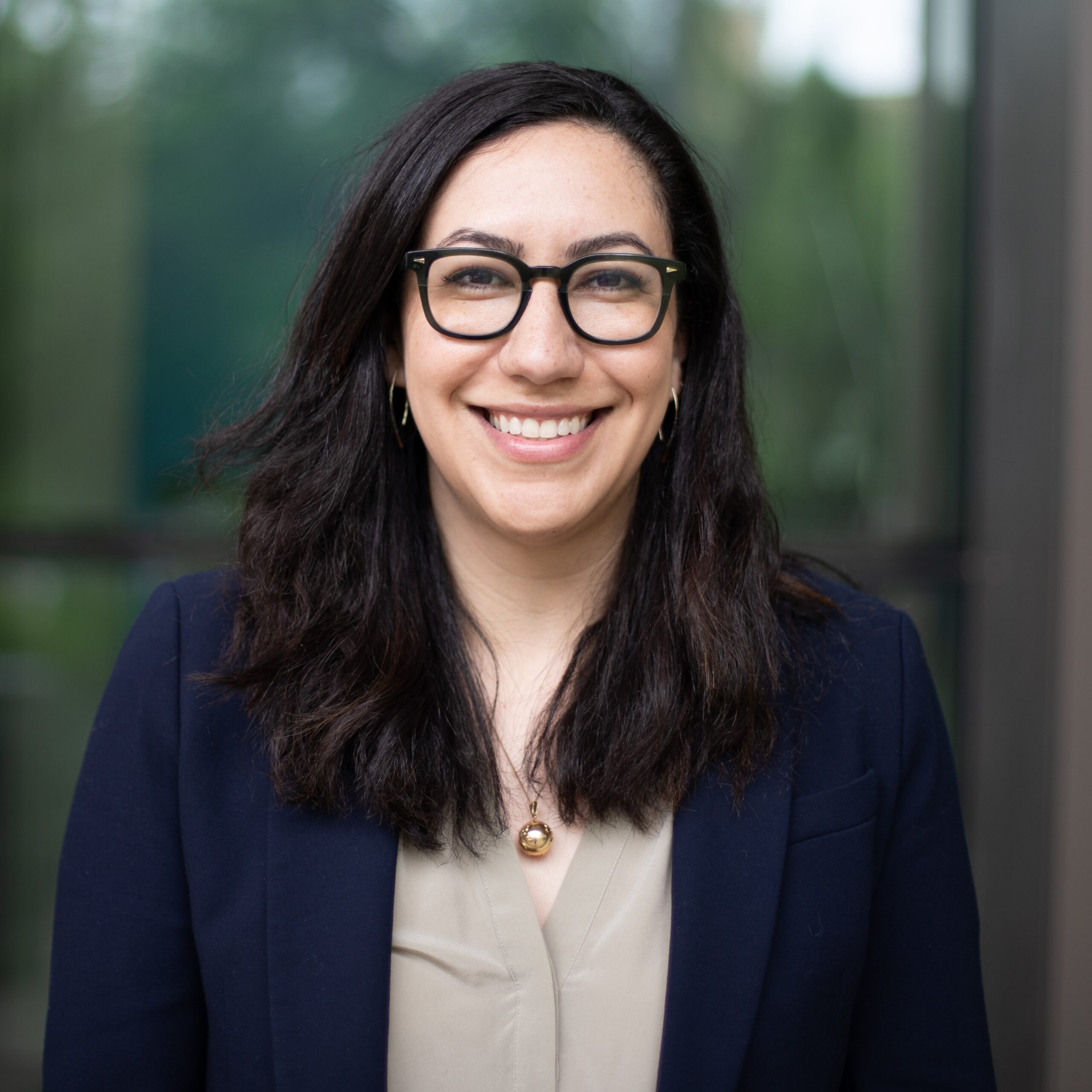
Stephanie Grasso, PhD
University of Texas at Austin
FTD Biomarkers Initiative
Launched in 2015 with support from the Samuel I. Newhouse Foundation, the FTD Biomarkers Initiative has funded 14 projects advancing urgently needed FTD diagnostics and therapeutics.
In early 2025, its next phase selected three studies from 53 proposals to receive $700,000 over two years beginning Fall 2025. The initiative is supported by the Holloway Family Fund and the following funding partners:


FTD Research


To learn more about other AFTD-funded projects, visit theaftd.org/for-researchers/grants-funded


